Mold Inspection And Removal in Dallas, TX
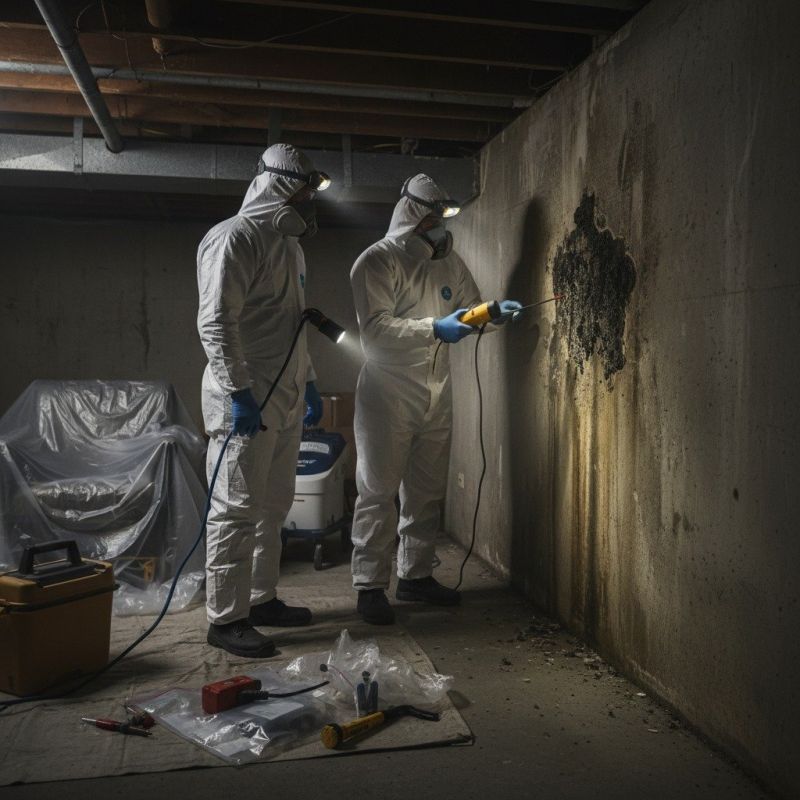
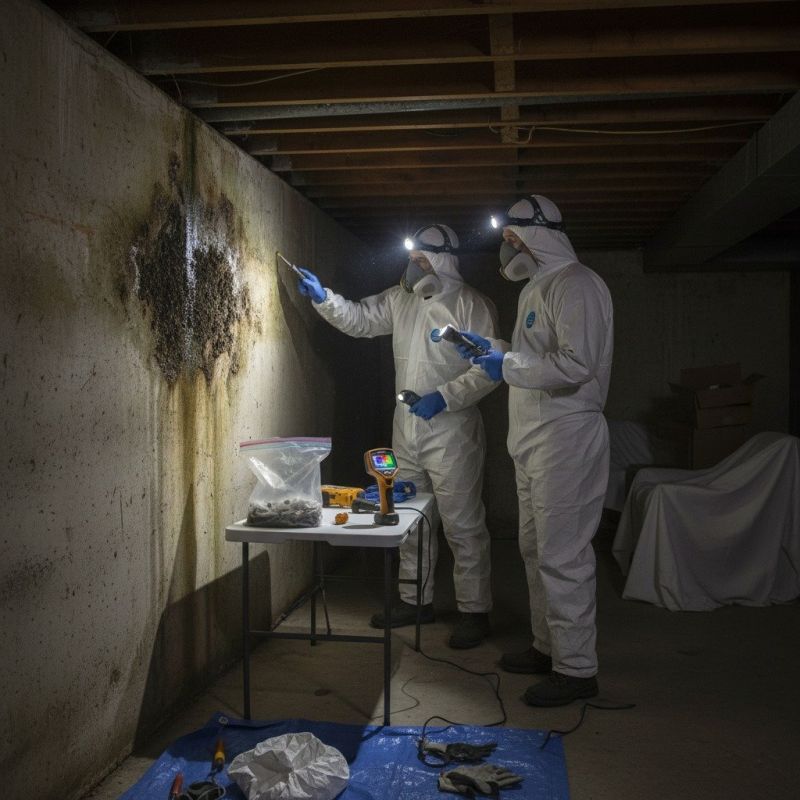
Mold inspection and removal services are designed to identify and eliminate mold growth in residential properties. These services typically cover areas such as basements, bathrooms, attics, and other spaces prone to moisture buildup. Property owners often request mold inspections when they notice visible mold, persistent musty odors, or unexplained health issues among occupants. Once mold is detected, removal involves carefully cleaning affected surfaces and addressing underlying moisture problems to prevent future growth.
Homeowners interested in these services usually want to understand the extent of mold presence, the potential health implications, and the steps involved in safely removing it. It’s important to consider the size of the affected area, the types of materials impacted, and whether moisture sources like leaks or high humidity are being managed. Proper inspection and removal can help maintain a healthier indoor environment and prevent mold from causing further property damage.
Many property owners in Dallas, TX look into Mold Inspection And Removal for repairs, replacements, upgrades, and appearance-related improvements.
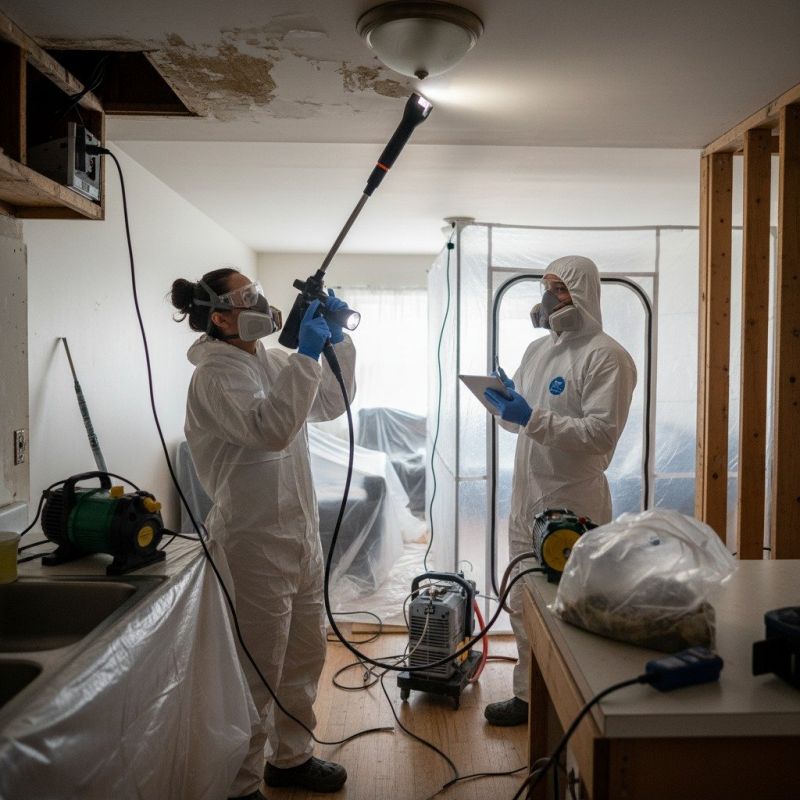
Identifying Mold Issues
Comprehensive inspections help detect hidden mold growth in residential and commercial properties in dallas, tx.
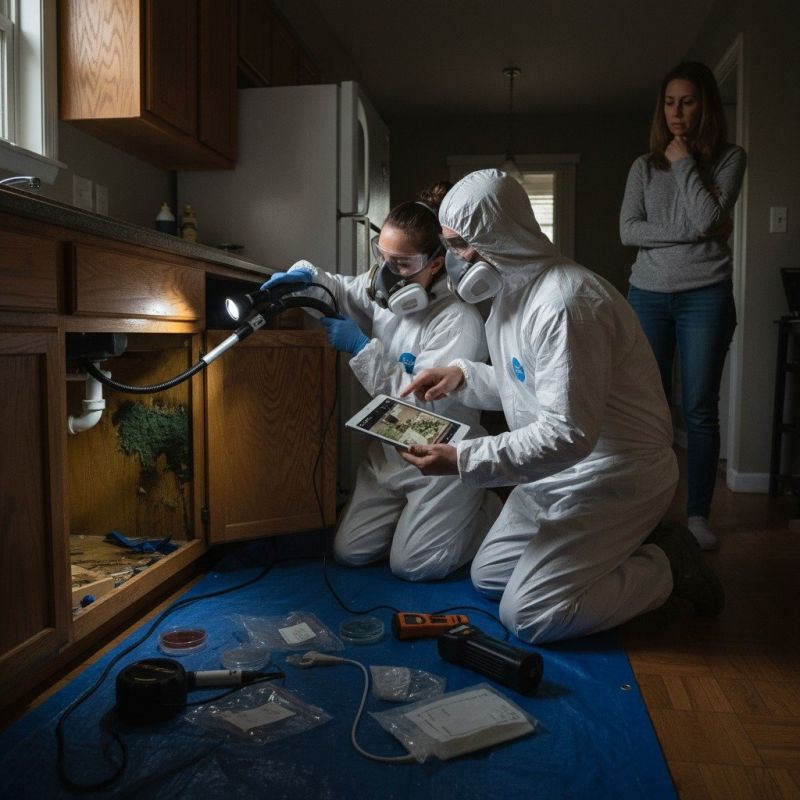
Effective Mold Removal
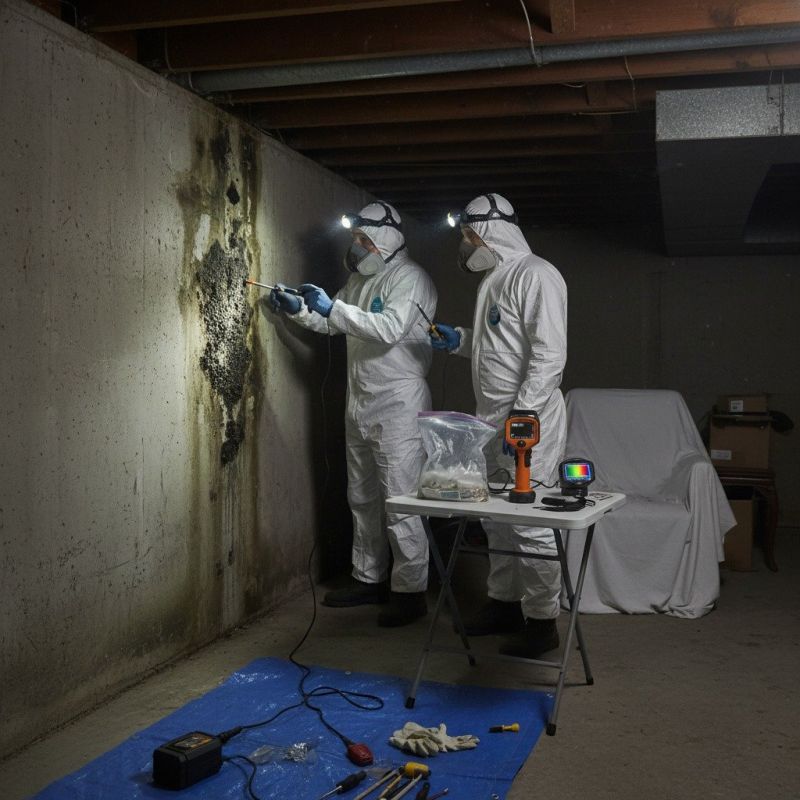
Professional removal services ensure mold is safely eliminated from affected areas to protect property and health.
Preventative Solutions
Addressing moisture and ventilation problems helps prevent future mold development in homes and buildings around dallas.
Mold Inspection And Removal in Dallas, TX
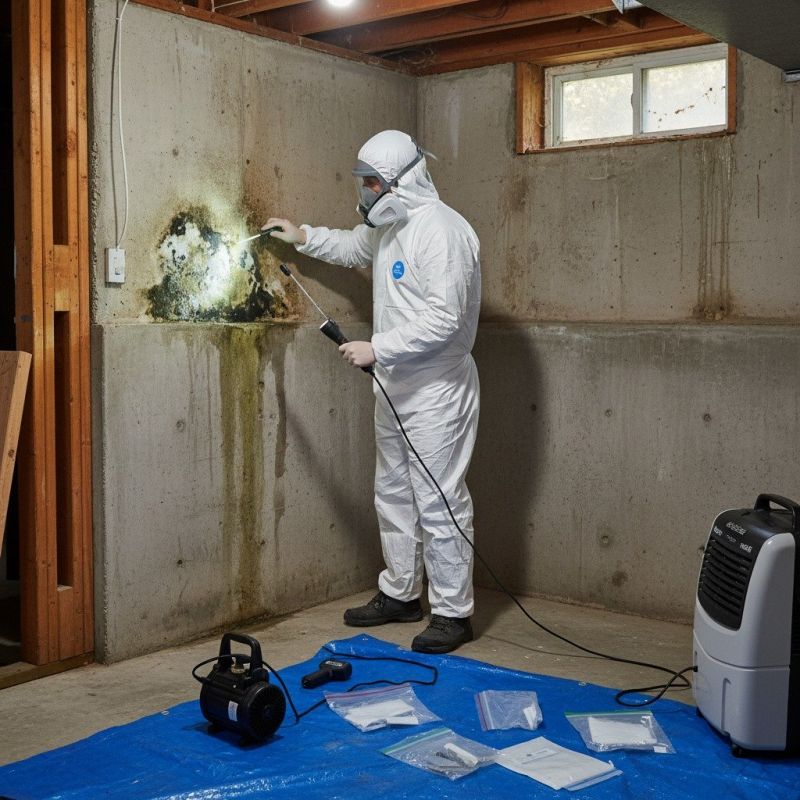
Mold inspection and removal services are designed to identify and eliminate mold growth in residential properties. These services typically cover areas such as basements, bathrooms, attics, and other spaces prone to moisture buildup. Property owners often request mold inspections when they notice visible mold, persistent musty odors, or unexplained health issues among occupants. Once mold is detected, removal involves carefully cleaning affected surfaces and addressing underlying moisture problems to prevent future growth.
Homeowners interested in these services usually want to understand the extent of mold presence, the potential health implications, and the steps involved in safely removing it. It’s important to consider the size of the affected area, the types of materials impacted, and whether moisture sources like leaks or high humidity are being managed. Proper inspection and removal can help maintain a healthier indoor environment and prevent mold from causing further property damage.
Many property owners in Dallas, TX look into Mold Inspection And Removal for repairs, replacements, upgrades, and appearance-related improvements.
Common Mold Inspection And Removal Jobs
Mold Inspection - thorough assessments identify mold presence and sources within residential properties.
Mold Removal - targeted cleaning and remediation eliminate mold growth from affected areas.
Hidden Mold Detection - specialized techniques reveal mold that may not be visible to the eye.
Moisture Control - measures are taken to reduce humidity and prevent future mold growth.
Surface Cleaning - contaminated surfaces are cleaned to remove mold spores and prevent spread.
Post-Remediation Testing - inspections verify that mold has been successfully removed and the environment is safe.
Mold Inspection And Removal Questions
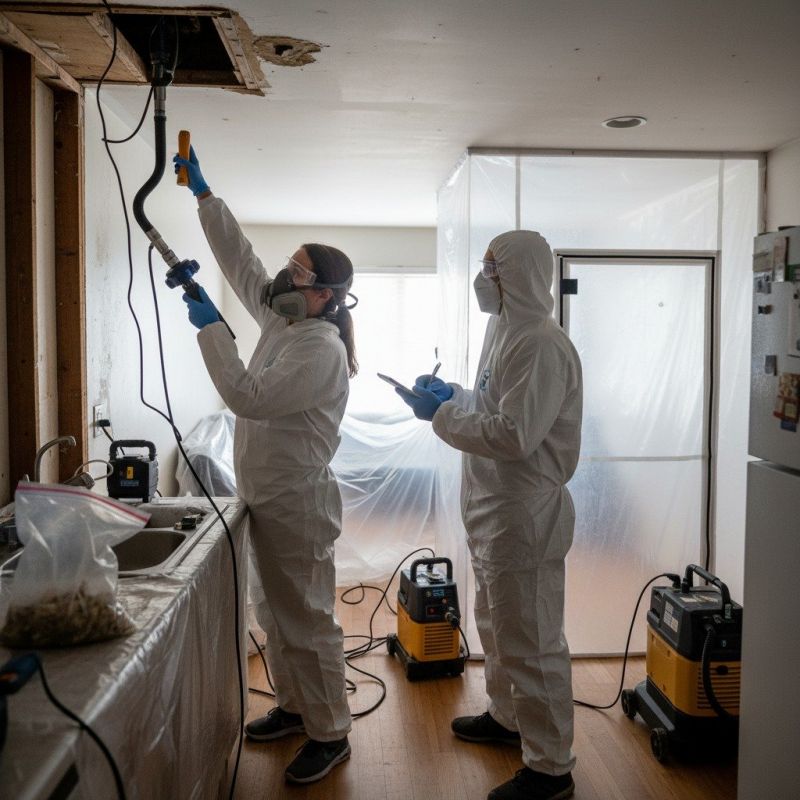
What are signs of mold growth in a home? Visible discoloration, musty odors, and recurring respiratory issues can indicate mold presence.
Why is mold inspection important? It helps identify hidden mold issues that may affect indoor air quality and property value.
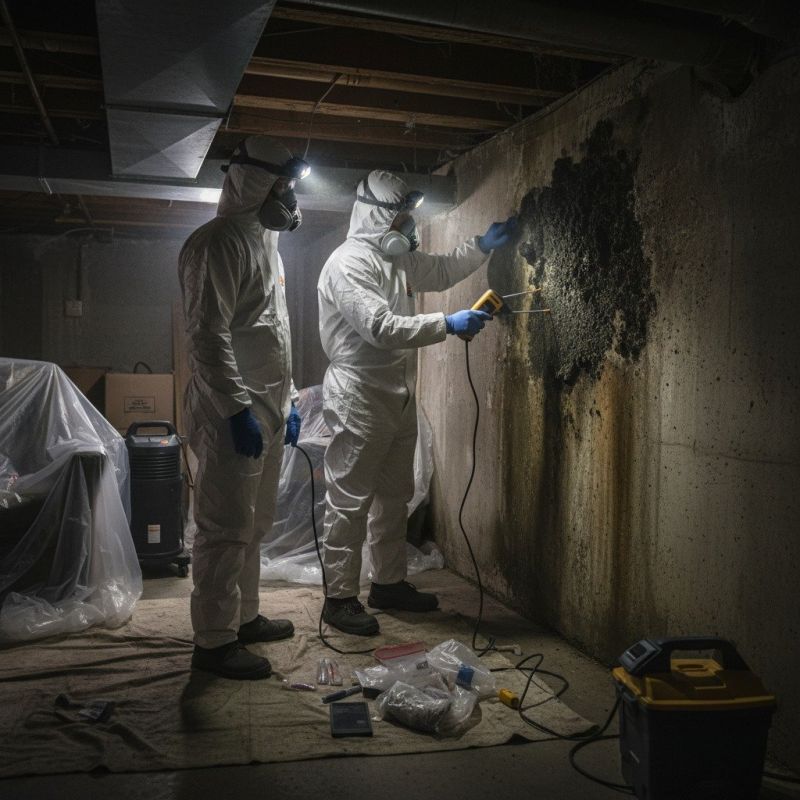
How does mold removal work? It involves cleaning affected areas and removing mold-contaminated materials to prevent further growth.
What areas are most prone to mold? Bathrooms, basements, and areas with moisture leaks are common spots for mold development.
Request Mold Inspection And Removal in Dallas, TX
Use the quote form on this page to share the basics of your project and request more information for the type of work you need.